Showing posts with label Black Rice. Show all posts

Saturday, May 14, 2011

Real Good Gumbo - Daring Cooks

Laissez les bons temps rouler (Cajun French for "Let the good times roll".) I like the attitude. Lately, maybe it's the changing of seasons or just watching a few people in my life go through some real life struggles, I really need that inspiration.


Our May hostess, Denise of There’s a Newf in My Soup!, challenged The Daring Cooks to make Gumbo! She provided us with all the recipes we’d need from creole spices, homemade stock and Louisiana white rice, to Drew’s Chicken & Smoked Sausage Gumbo and Seafood Gumbo from My New Orleans: The Cookbook, by John Besh.
(Read as a loud and long Cajun yell) Wwoooo-Hooooo! Doesn't that feel good? Sometimes if I let myself exhale really loudly, like a Hollywood Yoga class, it really releases stress.

If you're a cook, you'll completely understand this: Working in the kitchen on a multi-layered stew with chopping and mixing and several steps to it can be relaxing. It's therapeutic to me. If you don't enjoy cooking, you've probably stopped reading just thinking about that insane remark.

Gumbo is one of those stews (if done somewhere near authentically) that has several layers of prep and cooking. It was this month's Daring Cook's challenge and the biggest challenge about it was finding the time to enjoy the process.
Looking back at it, I feel like I exhaled really loudly. The best part was I also got to have an amazing dinner that my whole family absolutely loved. Go for it, laissez les bons temps rouler!

Words to know for Real Good Gumbo:

Roux
(roo) - This forms the foundation for good flavor. It's made by heating fat (rendered chicken/duck fat or canola oil), then adding an equal amount of flour to the heated oil. Whisk on med. heat (about 15 minutes) to turn the roux into a dark caramel color full of flavor and natural thickening power. After it's a nice dark color, you add the onions (and change to a wooden spoon for stirring) and let them caramelize and darken the roux further.


Holy Trinity (not that one) - This is a mixture of chopped onions, celery, and green peppers. In Cajun cooking and a lot of mid-southern cooking, this combo forms a base of flavor for many stews, braises and soups. The preparation of classic Cajun/Creole dishes such étouffée, gumbo, and jambalaya all start from the base of this holy trinity. In other cooking a similar mixture is used of chopped onions, celery and carrots and is called Mirepoix (meer pwah) from french cooking and Soffrito (so-Free-toe) in Italian.
Okra - These delicately ridged and tapered green pods, sometimes called Ladies’ fingers, are a member of the mallow family and are bursting with tiny seeds as well as the glutinous compounds that make okra such a natural thickener for soups and gumbos. The smaller okra is more tender and sweet. I grew up with boiled okra (an acquired taste, I think) and fried okra (how can that not be great, right?) Filé powder (fee-lay) - In the 1800s, Choctaw Indians traveled in from communities on Lake Pontchartrain to sell this powder at the New Orleans French Market, along with bay leaves and handmade baskets. The Choctaws make filé by drying, then finely pounding, the leaves of the sassafras tree into a powder, then passing it through a hair sieve. The leaves, in the form of filéfilé was used to thicken the stew when okra was not available, but John Besh likes to use both. He cooks the okra in the gumbo and adds a couple dashes of filé, too, at the end. He also likes to pass filé at the table as a seasoning. The word comes from the French word filer, meaning, “to spin thread,” which is a warning not to add filé while the gumbo is still boiling, as it has a tendency to turn stringy.
**The recipe is as given by Daring Cooks, but I cut the recipe in half for a smaller yield and it works wonderfully with plenty for 5 people)

Drew’s Chicken & Smoked Sausage Gumbo

Minimally adapted from My New Orleans: The Cookbook, by John Besh Serves 10-12


Ingredients


1 cup (240 ml) (230 gm) rendered chicken fat, duck fat, or canola oil
1 cup (240 ml) (140 gm)
(5 oz) flour
2 large onions, diced
1 chicken (3 1⁄2 to 4 lbs.), cut into 10 pieces

2 tablespoons (30 ml) (15 gm) (1⁄2 oz) Basic Creole Spices (recipe follows), or store-bought Creole spice blend

2 pounds (2 kilograms) spicy smoked sausage, sliced 1⁄2 inch (15mm) thick
2 stalks celery, diced
2 green bell peppers (capsicum), seeded and diced

1 tomato, seeded and chopped

2 cloves garlic, minced

Leaves from 2 sprigs of fresh thyme

3 quarts (3 liters) Basic Chicken Stock, or canned chicken stock
2 bay leaves

6 ounces (175 gm) andouille sausage, chopped

2 cups (480 ml) (320 gm) (11 oz) sliced fresh okra, 1⁄2 -inch (15mm) thick slices (or frozen, if fresh is not available)

1 tablespoon (15 ml) Worcestershire sauce

Salt, to taste
Freshly ground black pepper, to taste
Filé powder, to taste
Tabasco, to taste

4-6 cups (1 – 11⁄2 liters) (650 gm – 950 gm) cooked Basic Louisiana White Rice (recipe follows)


Directions:
1. Prepare homemade chicken stock, if using.

2. Prepare homemade Basic Creole Spices, if using (recipe below).

3. Season the chicken pieces with about 2 tablespoons of the Creole Spices while you prepare the vegetables.

4. Make sure all of your vegetables are cut, diced, chopped, minced and ready to go before beginning the roux. You must stand at the stove and stir the roux continuously to prevent it from burning.
5. In a large cast-iron or heavy-bottomed pan, heat the chicken fat, duck fat, or canola oil over high heat. Whisk the flour into the hot oil – it will start to sizzle. Reduce the heat to moderate, and continue whisking until the roux becomes deep brown in color, about 15 minutes.

6. Add the onions. Switch to a wooden spoon and stir the onions into the roux. Reduce the heat to medium-low. Continue stirring until the roux becomes a glossy dark brown, about 10 minutes.
7. Add the chicken to the pot; raise the heat to moderate, and cook, turning the pieces until slightly browned, about 10 minutes.

8. Add the sliced smoked sausage and stir for about a minute.
9. Add the celery, bell peppers, tomato, and garlic, and continue stirring for about 3 minutes.
10. Add the thyme, chicken stock, and bay leaves. Bring the gumbo to a boil, stirring occasionally.
11. Reduce the heat to medium-low and simmer, uncovered, for 45 minutes.
Stir occasionally, skimming off the fat from the surface of the gumbo every so often.
12. Add the chopped andouille, okra, and Worcestershire. Season with salt and
pepper, several dashes of filé powder, and Tabasco, all to taste.
13. Simmer for another 45 minutes, continuing to skim the fat from the surface
of the gumbo. Remove the bay leaves and serve in bowls over rice. Pass more filé powder at the table if desired.


Basic Creole Spices
From My New Orleans: The Cookbook, by John Besh
Makes 1⁄2 cup


Ingredients

2 tablespoons (30 ml) (33 gm) celery salt

1 tablespoon (15 ml) (7 gm) sweet paprika

1 tablespoon (15 ml) (18 gm) coarse sea salt

1 tablespoon (15 ml) (6 gm) freshly ground black pepper

1 tablespoon (15 ml) (7 gm) garlic powder

1 tablespoon (15 ml) (7 gm) onion powder

2 teaspoons (10 ml) (4 gm) cayenne pepper
1⁄2 teaspoon (21⁄2 ml) (11⁄2 gm) ground allspice

Mix together all spices in a bowl. Transfer the spices to a clean container with a tight-fitting lid. Store up to six months.


Basic Louisiana White Rice

Adapted from My New Orleans: The Cookbook, by John Besh Servings: About 4 cups


Ingredients


1 tablespoon (30 ml) (30 gm) (1 oz) chicken fat, extra-virgin olive oil, or butter

1 small onion, minced

11⁄2 cups (360 m) ((280 gm) (10 oz) Louisiana (or another long-grain white rice)

3 cups (750 ml) Basic Chicken Stock

1 bay leaf

1-2 pinches salt


Directions:

1. Put the fat, oil, or butter and the onions into a medium saucepan and sweat the onions over moderate heat until they are translucent, about 5 minutes.

2. Pour the rice into the pan and stir for 2 minutes.

3. Add the chicken stock and bring to a boil.

4. Add the bay leaf and salt.
5. Cover the pan with a lid, reduce the heat to low, and cook for 18 minutes.
6. Remove the pan from the heat, fluff the rice with a fork, and serve.


Tuesday, November 2, 2010

Roasted Acorn Squash Stuffed with Pumpkin Spice Orzo Pasta

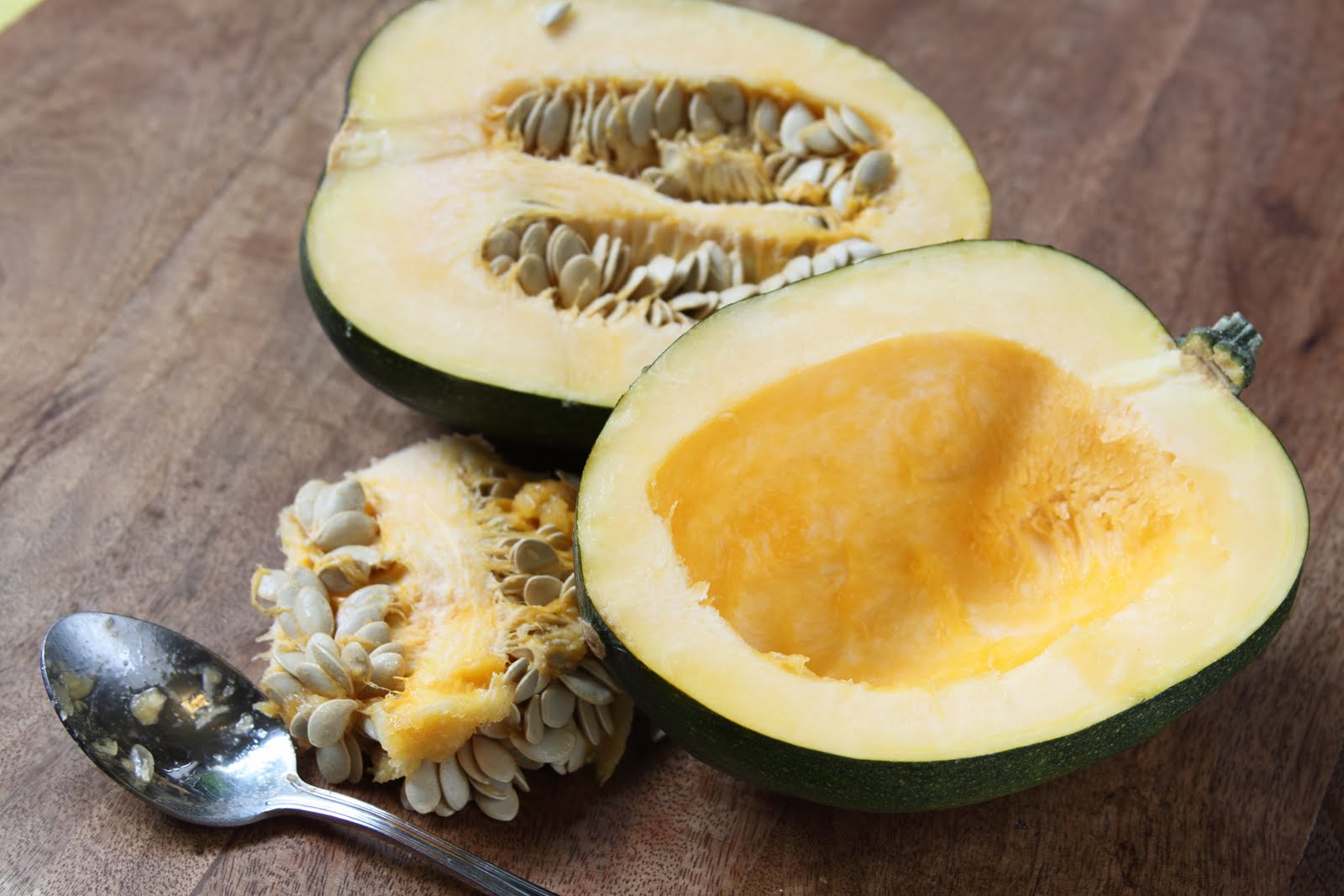
This Acorn Squash was so beautiful, I just wanted to bake and stuff it right away.
Roasted Acorn Squash Stuffed w/Pumpkin Spice Orzo Pasta

The other day, I was dashing through my local Farmer's Market happy to grab the few things I needed just before the tents were going down. With my favorite Honey B canvas bag filled with Autumn produce (Acorn Squash, apples, California Fuyu Persimmons), I had every intention of breaking rank and just sliding through between two of the stalls for a clever short-cut back to my car. It was one of those times when your mind and eyes register words and colors, but it takes a minute for your brain to catch up. I stopped mid-escape, realizing I had just seen a multitude of fall colored pastas. Pastas? Multi-colored? At the farmers market artisanal section? How could I, a giant nerd-ball Italophile obsessed with making homemade pasta, not pull a personal u-turn and check that out?
Even now, after way too many platefuls of golden roasted Acorn squash filled with Harvest Pumpkin and Spice Orzo (simmered in toasted pine nuts, apples and sage) I'm wishing for more.
I am honestly so happy I took that pasta-pause and purchased pumpkin orzo from these wonderful folks: Pappardelles Pasta (say THAT sentence twice, fast.)
Orzo means "barley" in Italian and is called that more for it's shape than anything else. A lot of Italian pasta has a name based on its shape or story behind how it was formed.
Orzo is used in a lot of Mediterranean dishes and served as a warm dish and also in cold pasta salads. I spoke with Kyle Crocker, a really friendly and knowledgeable guy, about how the Pappardelle artisan pasta company makes all its pasta in small batches, by hand or hand machines and air dried in rooms according to the best choice for each pasta shape. This is a company I could love. There were so many different sizes, shapes and flavors I could hardly hold back my Italy-style tears of over dramatic joy.

RECIPE: Roasted Acorn Squash stuffed with Pumpkin Spice Orzo Risotto

1 Acorn Squash
3 oz. butter
1 oz. olive oil (plus more for pan and rubbing squash)
1 shallot (chopped)
2 cloves garlic (chopped)
2 cups Orzo (Pappardelles Autumn Harvest)
6 cups Vegetable stock
1 med. apple (peeled, cored, chopped)
dash of ground cinnamon and fresh nutmeg
salt/pepper to taste
Pinch of fresh thyme leaves, fresh chopped parsley, and fresh chopped sage leaves
3 Tbls. pine nuts (toasted)

Preheat oven to 350F
Grease large sheet pan

1) Cut Acorn squash in half and scrape out all seeds and filling. Rub insides of squash halves with olive oil, sprinkle with salt and pepper, place cut side down on prepared baking sheet and roast in oven for about 1 1/2 hours til inside is tender, but not mushy.

2) In a large skillet, melt butter and olive oil together and saute shallot and garlic on low/med heat until tender (about 5-10 minutes) In the last minute, add apple, cinnamon, nutmeg, salt and pepper. Stir to mix well.

3) Add Orzo and stir, coating all the grains and heating for about 8 minutes.

4) Gradually pour in Vegetable stock, stirring constantly and incorporating all the flavors.

5) Cook, stirring, for about 15-20 minutes until Orzo has almost doubled in volume and is al dente (or tender to the bite.)

6) Stir in herbs, pine nuts and adjust seasonings.

Serve by filling the acorn squash with the Orzo Risotto and garnish with fresh sage leaves. When plating, scoop a nice serving of Roasted Acorn Squash with each serving of Pumpkin Spice Orzo Risotto, too.

This serves 4-6 with good portions, but could serve more if used as a side dish in a large meal (ie. Thanksgiving or Holiday menus). It's easy to give thanks for this golden toasty, crunchy autumn awesomeness! Happy stuffing.

Sunday, March 14, 2010

Eccola! Caramelized Onion & Fennel Risotto- Daring Cooks March 2010

Rice is the one grain that is a staple for almost every country in the world. And every country, sometimes even towns and villages, have their own size, style, traditions and ingredients for cooking rice. For Italy, one of the most famous rice dishes is risotto.
Caramelized Onions and Fennel Risotto
w/ Stinco d'Agnello
(Braised Lamb Shank)


The 2010 March Daring Cooks challenge was hosted by Eleanor of MelbournefoodGeek and Jess of Jessthebaker. They chose to challenge Daring Cooks to make risotto. The various components of their challenge recipe are based on input from the Australian Masterchef cookbook and the cookbook Moorish by Greg Malouf.

Risotto is classically cooked by slowly braising the Arborio style rice in a stock (and sometimes a soffrito of carrots, garlic, celery and onions.) and finishing with Parmigiano Reggiano. What starts out as a pan of solid white grains, gradually becomes a serving of opaque starch drenched creamy bites of deep flavor with a hint of cheese.


The additions of mushrooms, or artichokes, seafood, or perhaps green vegetables varies according to the regions of the country and it's local, fresh, available goodies. Seafood in Venice is a definite (also the gateway that rice was most likely brought to Europe.) In the more central parts of the country, it might be meats like pork, wild boar or lamb.

There are many opinions on how to best make risotto. Every Italian cook that I've ever asked has preached of "slow and steady" stirring on low heat, adding stock little at a time. There have been other cooks (ala Food Network, etc.) who have insisted that technically you don't have to even stir or watch so carefully. You can probably imagine where I fall on the subject. Lentamente, sempre!

Part of our challenge included making our own stock for the risotto. The recipe as listed includes making it with a whole chicken, however I usually buy a whole chicken and break it down for pieces to be used in meals,(saves a lot of money) then use the carcass for stock. That's what I did for this one, too. Here's my very simple stock recipe:
Simple Chicken Stock (ShowFoodChef)

1 onion chopped rough
2 carrots chopped rough
2 celery stalks chopped rough
handful of fresh parsley chopped large
bay leaf
fresh thyme sprigs
a few peppercorns
1 Chicken carcass broken into large pieces
(DO NOT ADD SALT, wait to add salt according to what you use the stock in)

Place all ingredients into a large stew pot and cover with cold water. Heat on High just to boiling, then turn heat down to low and simmer for 2-3 hours. Strain well into a bowl and cool, then chill overnight in refrigerator. The next day, skim off fat and strain stock again into containers for freezing or using.
Caramelized Onions and Fennel: (ShowFoodChef)

1 onion sliced length wise, thin
1 fennel bulb sliced into thin strips
1 tsp butter
2 tbls olive oil

Add all ingredients into a saute pan and cook on low/med for about 20 minutes, stirring often until a nice caramelized color is reached. Do not cook faster on higher heat as this will make the onions taste bitter.
These can be used in the risotto, but are also great as garnish on meats, or egg dishes.

Click HERE for a Recipe for Butternut Squash Risotto.

Chicken Stock as given by Daring Cooks:

Ingredients:
1 large chicken 2-3 pounds about 1 kg
chicken bones 2-3 pounds 1 kg
2 onions, roughly diced
1 medium leek - white part only, roughly diced
2 sticks celery, roughly diced
2 cloves garlic, halved
1 cinnamon stick
1 tsp. white peppercorns ( Any type of whole peppercorn will do)
2 bay leaves (fresh or dried, it doesn't matter.)
peel of 1/2 lemon
1/4 tsp. allspice

Directions:

  1. Wash the chicken and bones and places in a 5 Litre pot, cover completely with water and bring to a boil
  2. Skim away any scum as it comes to the surface
  3. Add the vegetables and bring back to a boil
  4. Add the rest remaining ingredients and simmer very gently, uncovered for 1.5 hours
  5. Carefully lift out the chicken, set aside. The chicken meat can be removed from the chicken, shredded off and used for other things like soup!
  6. Simmer the stock gently for another hour. At , at the end you should have around 2 Liters
  7. Carefully ladle the liquid into a fine sieve, the less the bones and vegetables are disturbed in this process the clearer the stock will be. 
The stock is now ready for use. Freeze what you don't need for later use.

Risotto Base (as given by Daring Cooks)

Ingredients:
olive oil 2 fluid oz 60 ml
1 small onion, quatered
rice 14 oz 400g
Any type of risotto rice will do. I use Arborio but the recipe itself says Vialone Nano. Another to look for is Carnaroli.
white wine 2 fl oz 60 ml
chicken or vegetable stock , simmering 2 pints 1 L

Directions:

  1. I did not follow this > Heat oil in a pan and add onion. Fry for a few minutes to flavour the oil then discard. (We diced ours and left it in as we like onion). ** I reheated the caramelized onions and fennel in a tbls. olive oil, then continued with these steps...
  2. Add the rice and stir for a few minutes to coat each grain of rice with oil and toast slightly.
  3. Add the wine and let it bubble away until evaporated.
  4. Add enough stock to cover the rice by a finger’s width (about an inch or two). Don't actually stick your finger in, it will be hot. Just eye it off.
  5. Cook on medium heat, stirring with a wooden spoon from time to time, until most of the stock has been absorbed.
  6. Repeat Step 5 making sure to leave aside approximately 100 ml. of stock for the final step. .
  7. Repeat, save 100ml for the final stage.
  8. Once you are at this point, the base is made. You now get to add your own variation.
  9. At the end I finish with 1 tbls. butter and 1/3 cup of fresh grated Parmigiano Reggiano.
LAMB SHANK RECIPE: (ShowFoodChef)
Soffritto: 1 onion, 2 carrots, 2 celery, 2 bulbs garlic (all chopped rough)
2 Lamb Shanks
3Tbls.+ Olive Oil
1 Tbls. Tomato Paste
1/2 Cup Red Wine
2-3 Cups Stock (chicken or vegetable)
Salt/Pepper to taste

Heat a deep sided pan on Med/High with a covering of olive oil. Season the Lamb Shanks, then brown them on all sides working for a nice crunchy brown skin all over. Remove and hold to the side.
Turn the heat down and add the soffritto to the pan, season and cook for about 5 minutes, stirring often.
Add 1 Tbls. tomato paste and stir into the soffritto (this adds a depth of flavor).
Add 1/2 cup red wine and stir, heating on Med. until the liquid is reduced in half.
Put the browned Lamb Shanks back into the pan and pour in 2 cups of stock, bring to a boil.
Reduce the heat to low, cover the pan and cook until the shanks are "fall off the bone" tender (about 2 hours) You can also, put this into the oven preheated to 325F for the 2 hours instead of stove top, if you want.
When done, remove the shanks and keep warm. Strain the sauce, carefully, and return the sauce to the pan and reduce to a thicker au jus.

This is delicious with risotto, rice, potatoes or pasta.
ENJOY and thanks for checking out my post! :D

DOWNLOAD PRINTABLE RECIPES HERE!

Friday, January 8, 2010

Warm Napa Cabbage w/Black Rice

A person can only eat just so many salads in repentance of their holiday gorging, unless:

The salad is warm (like cozy fattening food, but not),
The salad has some carbs (that make me feel like I'm being bad without being bad),
The salad has a lot of flavor (enough to squelch my feeling of depravity.)

Meet such a salad:
Warm Napa Cabbage w/Black Rice

AND, if ya wanna pump up the zing: Add a few Salt & Pepper Shrimp

This month's Veggie pick for the Beet n' Squash You event (organized by Mel/ Gourmet Fury and Leela/ She Simmers) is Napa Cabbage, sometimes known as Chinese White Cabbage. It's so versatile and packed with good things for your body that you almost can't go wrong with the preparation. Napa Cabbage can be braised, grilled, sauteed, chopped raw, sliced and slivered for slaw, steamed and wrapped around fish, and pickled.

Selfishly, I wanted it several ways at once. Yes, I have an issue with commitment to one idea (it has cost me a lot of money to be able to say that out loud.) That's not my only issue, of course, but that's a whole other kind of blog.

Back to the Napa at hand: Aren't these the most beautiful stalks of lacy leaves in the cabbage world?
For this salad, begin prep by washing and drying the separate leaves. Then cut the white stalks away from the leaves. Keep the leafy part for making a raw leaf bowl around the salad, later. To make a salad that serves four; cut 2 cups of sliced up stalk.
Combine the sliced stalks with 1 med. sliced onion. Heat a Saute Pan with a 1Tbls. of oil and add the onions and cabbage stalks. Season with salt and pepper and cook on low/med until slightly caramelized. Add 6-8 sliced mushrooms to the pan and continue cooking til wilted. It's optional, but really adds some bite to throw in a dash of Sriracha (Chinese Chili Sauce.)

While these are slow cooking, start the Black Rice. This can be made according to directions that come with your purchase of Chinese Black Rice, but also I used Vegetable stock instead of water or Chicken Stock. Drain the rice, fluff with a fork and keep warm.

When all components are ready, toss together and season to taste.

Use the leafy ends of the left-over Napa Cabbage to make a small bowl on a plate to contain the Warm Rice Salad.

For the Salt & Pepper Shrimp: Use peeled, whole shrimp tossed in just a bit of cornstarch with large granule salt and ground pepper. Saute in a pan with 1 Tbls. hot oil for about 3 minutes on each side. Add a few of these to the top and garnish with minced cucumber.

The raw Napa leaves make a great palate cleanser after the warm rice is gone from your plate.

For other fabulous ideas using Napa Cabbage, click here to see the Beet n' Squash You Hall of Fame. You're also welcome to join us for next month!